
Bulk fabric control
Fabric Inspection & Testing for Buyers
Connect the approved sample and order specification with roll-level inspection, shade control, selected testing, packing and shipment release.
Published by Allot Tech. Project contact: founder Mr Kcal. Final engineering, performance, materials, compliance, manufacturing responsibility and commercial terms must be confirmed for the selected resource and signed project scope.
Updated September 14, 2026Direct answer
Inspection should make the shipment decision clearer, not create disconnected reports.
A fabric inspection plan should identify the order, article, color, lot and roll; the approved physical standard and specification; the inspection method and sample size; the properties or defects being checked; and the acceptance authority. Visual roll inspection, shade grouping, weight and usable-width checks, selected laboratory tests and packing verification answer different questions. The buyer should choose them from garment use, destination, contract and risk rather than applying a generic checklist to every fabric.
Project definition
Start with the complete decision basis.
A test report does not describe every meter in a shipment, while visual inspection does not replace composition or performance testing. Shade can also vary within commercially produced lots and must be managed for cutting and garment assembly. The buyer, responsible textile resource and qualified testing or inspection parties should agree methods, standards, tolerances, sample selection and disposition rules before bulk production or shipment.
Order identity
Article, composition, construction, color, quantity, lot, roll, approved sample and current specification revision.
Garment risk
End use, cutting plan, visible surfaces, sewing process, care expectation, destination and critical performance concerns.
Inspection plan
Timing, method, sample or roll coverage, defect definitions, shade process, reporting and acceptance authority.
Test plan
Selected properties, standard and method, conditioning, laboratory, sample identity, limits and retest rules.
System or development path
Keep every inspection result traceable from order to roll and shipment.
Verify the standard
Confirm signed swatch, color, specification, method, tolerance, packing instruction and approved changes.
Identify lots and rolls
Record production lot, dye lot, roll number, length, width, weight, labels and any reprocessing history.
Inspect appearance
Review face and reverse, shade, pattern, bow or skew where relevant, surface and defined defect categories.
Measure key properties
Check selected finished dimensions or performance using the agreed method, sample identity and conditioning.
Classify findings
Separate acceptable variation, repair or reinspection items, nonconformity and questions requiring buyer disposition.
Release and pack
Confirm accepted quantity, shade grouping, roll map, labels, wrapping, marks, documents and shipment status.
Quotation comparison
Select inspection and testing according to the order risk.
| Decision area | Buyer should provide | Proposal should clarify |
|---|---|---|
| Visual inspection | Approved appearance and defect priorities. | Method, speed, lighting, face, defect categories, scoring or classification and roll coverage. |
| Shade control | Color standard and cutting expectations. | Light source, lot grouping, side-center-side or roll comparison, labeling and shade map. |
| Physical checks | Finished weight, usable width and other key dimensions. | Method, conditioning, frequency, tolerance, roll identity and treatment of variation. |
| Laboratory testing | End-use and destination risks. | Named method, sample plan, accredited or agreed laboratory, limits and retest procedure. |
| Shipment release | Decision authority and order schedule. | Accepted, held, reworked or rejected quantity with evidence, packing status and approvals. |
Solve the next project problem
Close these proposal gaps before price becomes the decision.
Use the brief below to turn a vague supplier conversation into questions that can be answered and documented.
Make this decision comparable.
Send: Approved appearance and defect priorities.
Require: Method, speed, lighting, face, defect categories, scoring or classification and roll coverage.
Make this decision comparable.
Send: Color standard and cutting expectations.
Require: Light source, lot grouping, side-center-side or roll comparison, labeling and shade map.
Make this decision comparable.
Send: Finished weight, usable width and other key dimensions.
Require: Method, conditioning, frequency, tolerance, roll identity and treatment of variation.
Send the garment use, reference swatch or images, finished specification, color plan, quantity, destination and required date. The Allot Tech Project Desk can help organize the first comparison.
Decision evidence
Useful inspection evidence stays linked to the physical goods.
Evidence should be identified before the order or approval stage so both sides know what will support the next decision.
Roll and shade map
Roll numbers, lots, lengths, shade groups, width or weight checks and recommended cutting separation.
Defect record
Roll position, type, severity or classification, photograph where useful and disposition decision.
Test traceability
Sample source, lot and roll, method, conditioning, laboratory, result, limit and report identity.
Packing and release record
Accepted quantity, roll labels, wrapping, marks, packing list, held goods and authorized shipment status.
Use the approved sample and specification together
The physical standard captures appearance and handfeel, while the written specification captures measurable requirements and tolerances. Inspectors and suppliers should have access to the same controlled references so a result is not based on memory or an unmarked sample.
- Identify the face and approval scope
- Use the current specification revision
- Keep duplicate standards protected and traceable
Choose tests that answer real garment risks
Composition, dimensional stability, colorfastness, pilling, abrasion, seam or other properties may matter depending on the product, but a longer test list is not automatically better. The test plan should connect each method and limit to destination, buyer requirement or garment use.
- Name the method, not only the property
- Confirm sample and conditioning basis
- Agree retest and disposition before results arrive
Make shade information usable in cutting
A pass or fail statement may not tell a garment factory which rolls can be combined. Shade grouping and a roll map can support marker and bundle decisions when the buyer has approved the approach.
- Label roll and dye-lot identity clearly
- Group rolls under agreed review conditions
- Communicate cutting restrictions before shipment
Decision gates
Move forward when the next commitment has enough written evidence.
Project stages overlap, but each commercial commitment should have a visible basis, named approvers and a list of unresolved items.
Development basis approved
The garment use, signed physical reference, written specification, color and requested sample stage describe the same fabric direction.
Bulk standard released
The accepted sample, measurable tolerances, required tests, quantity, lot plan and approved changes are recorded before production.
Shipment evidence accepted
Roll and lot identity, shade grouping, inspection or test findings, packing and authorized disposition support release.
Before requesting a proposal
Build one brief that every resource can answer on the same basis.
This page is designed to help an international buyer prepare a clearer discussion, not to replace the responsible resource’s engineering or the buyer’s professional review.
Garment
End use, season, silhouette, market and construction priorities.
Reference
Physical swatch or garment, marked face, color and attributes to match.
Specification
Composition, finished weight, usable width, construction, finish and tolerances.
Development
Sample type, meters, colors, approval stages and decision dates.
Bulk plan
Quantity, inspection, testing, packing, destination and delivery window.
Allot Tech organized recurring buyer questions, project-scoping patterns, available catalog inputs and specialist-resource context into a decision sequence. No customer case, certification, output guarantee or factory ownership is implied unless separately verified for the named project.
Specialist textile context
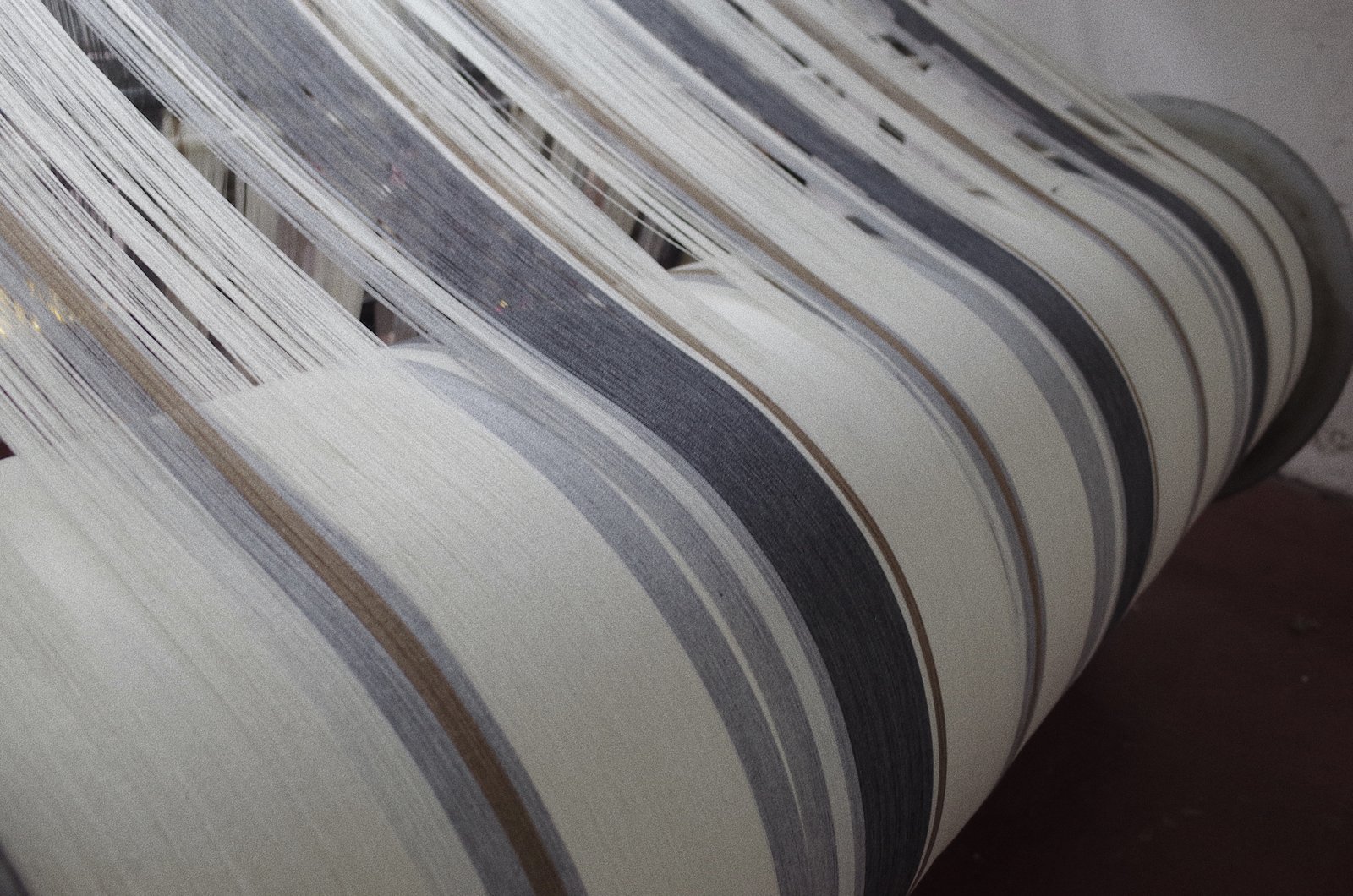
Connect fabric development with weaving and finishing.
These production images are from Fred Textile, the connected specialist textile resource represented across the Allot Tech textile program.
Buyer questions
Frequently asked questions
Is a fabric inspection report the same as a laboratory test report?
No. Inspection usually addresses roll appearance, dimensions, shade and packing, while laboratory testing measures selected properties on identified samples under a stated method.
Should every roll be inspected?
Coverage depends on the order, risk, contract and chosen method. The buyer and responsible resource should agree whether inspection is full, sampled or staged.
Why is shade grouping important?
Even acceptable commercial lots may contain visible shade differences. Grouping and roll identification help the garment factory avoid combining incompatible shades in one garment or cutting bundle.
Who decides whether a nonconformity is acceptable?
The contract and approval workflow should name the decision authority. Inspection and test providers report evidence; authorized buyer and supplier representatives decide disposition.
Project discussion
Plan Fabric Inspection and Testing
Send the garment use, reference swatch or images, finished specification, color plan, quantity, destination and required date.