
Polyester-rayon outerwear fabrics
TR Wool-Like Coat Fabrics from China
Translate the garment, target handfeel and surface direction into a measurable polyester-rayon fabric brief before selecting or developing samples.
Published by Allot Tech. Project contact: founder Mr Kcal. Final engineering, performance, materials, compliance, manufacturing responsibility and commercial terms must be confirmed for the selected resource and signed project scope.
Updated September 3, 2026Direct answer
Start from the coat and wearing purpose, then define the fabric.
TR generally refers to polyester-rayon fabric, but the fiber ratio alone does not define a coat fabric. Buyers should specify garment use, target composition, finished weight and usable width, construction, stretch if required, color, surface and handfeel, then compare samples under the same approved brief. A physical reference is valuable because terms such as wool-like, melton, brushed and napped can describe different expectations across markets and suppliers.
Project definition
Start with the complete decision basis.
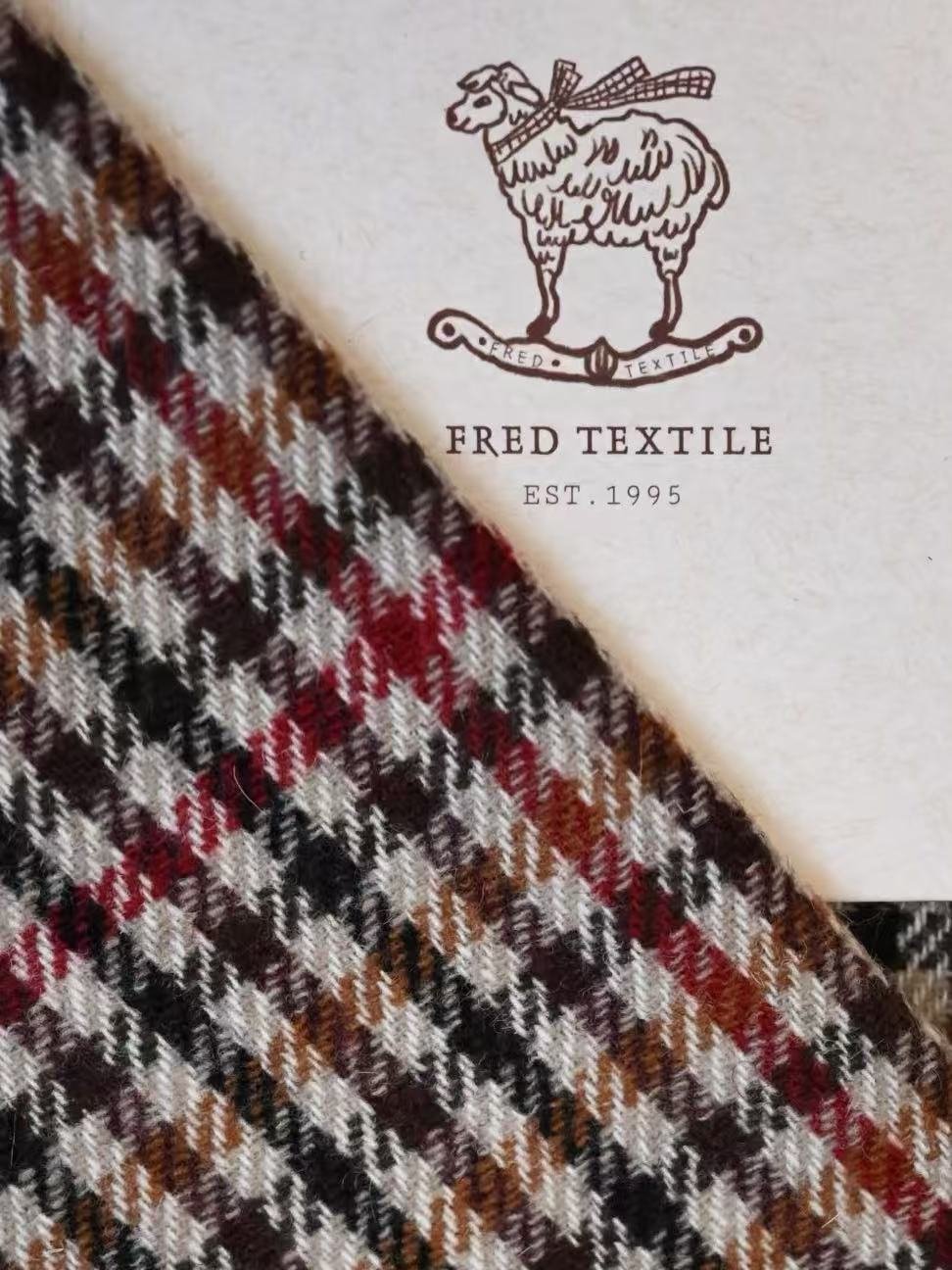
An economical wool-like appearance may be developed through yarn choice, weave, density, dyeing and mechanical finishing, but each choice affects drape, recovery, surface durability, shade and sewing behavior. Allot Tech coordinates textile business communication with connected specialist resources including Fred Textile. Final composition, performance, testing, production and compliance claims must be confirmed for the selected article and order.
Garment use
Coat, overcoat, jacket or uniform; season, silhouette, lining, structure, market and target price position.
Fabric target
Composition range, weight, usable width, construction, stretch, color, pattern, face and reverse expectations.
Handfeel and surface
Soft, crisp, compact, brushed, napped, melton-like or other direction supported by a reference swatch.
Order plan
Sample meters, color count, laboratory or sample approvals, target bulk quantity, delivery window and destination.
System or development path
Move from garment requirement to an approved TR coat-fabric standard.
Define the end use
Record garment type, structure, season, wearer, market, sewing concept and expected visual direction.
Select the construction path
Discuss yarn, polyester-rayon direction, weave, density, stretch and finished-weight target with the specialist resource.
Develop color and surface
Align dyeing, mélange or solid color, brushing, napping, shearing, compacting and handfeel references.
Review the sample
Check both faces, drape, shade, weight, usable width, surface, stretch and sewing-relevant observations.
Freeze the standard
Keep the signed swatch, specification, color approval, permitted tolerances and required test plan together.
Control bulk follow-through
Review lot and roll data, shade grouping, inspection findings, packing marks and release status before shipment.
Quotation comparison
Compare TR coat-fabric options on the same finished standard.
| Decision area | Buyer should provide | Proposal should clarify |
|---|---|---|
| Garment fit | End use, silhouette and market direction. | Recommended construction, drape, surface, lining or sewing considerations and limitations. |
| Specification | Target composition, weight and usable width. | Finished basis, tolerance, test method, selvedge treatment and sampling condition. |
| Appearance | Color, pattern, reference swatch and handfeel. | Dye route, surface finish, face and reverse, shade approval and repeat limitations. |
| Development | Sample type, meters, colors and deadline. | Available article, custom development, sample charge, lead time and approval stages. |
| Bulk control | Order quantity, inspection level and destination. | Lot plan, shade grouping, roll inspection, testing, packing and release evidence. |
Solve the next project problem
Close these proposal gaps before price becomes the decision.
Use the brief below to turn a vague supplier conversation into questions that can be answered and documented.
Make this decision comparable.
Send: End use, silhouette and market direction.
Require: Recommended construction, drape, surface, lining or sewing considerations and limitations.
Make this decision comparable.
Send: Target composition, weight and usable width.
Require: Finished basis, tolerance, test method, selvedge treatment and sampling condition.
Make this decision comparable.
Send: Color, pattern, reference swatch and handfeel.
Require: Dye route, surface finish, face and reverse, shade approval and repeat limitations.
Send the garment use, reference swatch or images, finished specification, color plan, quantity, destination and required date. The Allot Tech Project Desk can help organize the first comparison.
Decision evidence
Keep subjective fabric language connected to physical and measurable evidence.
Evidence should be identified before the order or approval stage so both sides know what will support the next decision.
Signed reference swatch
Identify face, reverse, color, handfeel, surface and the aspects that must or need not be matched.
Finished specification
Composition, construction where relevant, weight, usable width, finish, color and agreed tolerance or method.
Sample and approval record
Article, lot, date, requested changes, approved status and retained references for later comparison.
Bulk inspection package
Roll and lot identity, shade grouping, measurements, defect observations, packing and disposition decisions.
Composition does not predict handfeel
Two polyester-rayon fabrics with similar percentages can feel different because yarn, construction, density and finishing are different. Use composition as one part of the brief and keep an approved swatch as the visual and tactile reference.
- Specify finished rather than only nominal targets
- Mark the approved face and reverse
- Avoid approving from screen color alone
Define wool-like in buyer language and supplier evidence
The term may refer to compactness, brushed fibers, mélange color, warmth, drape or a melton-style surface. State which attributes matter for the garment and ask the specialist resource to explain the construction and finish used to reach them.
- Describe the intended garment and season
- Share close-up and drape references
- Record limitations before sampling
Test and inspect against the order requirement
Not every project needs the same laboratory or inspection program. The buyer should identify destination, care expectation, performance risks and required methods, then confirm the final test and tolerance plan with qualified textile and compliance specialists.
- Choose tests from actual end use
- Use consistent conditioning and methods
- Link bulk release to approved evidence
Decision gates
Move forward when the next commitment has enough written evidence.
Project stages overlap, but each commercial commitment should have a visible basis, named approvers and a list of unresolved items.
Development basis approved
The garment use, signed physical reference, written specification, color and requested sample stage describe the same fabric direction.
Bulk standard released
The accepted sample, measurable tolerances, required tests, quantity, lot plan and approved changes are recorded before production.
Shipment evidence accepted
Roll and lot identity, shade grouping, inspection or test findings, packing and authorized disposition support release.
Before requesting a proposal
Build one brief that every resource can answer on the same basis.
This page is designed to help an international buyer prepare a clearer discussion, not to replace the responsible resource’s engineering or the buyer’s professional review.
Garment
End use, season, silhouette, market and construction priorities.
Reference
Physical swatch or garment, marked face, color and attributes to match.
Specification
Composition, finished weight, usable width, construction, finish and tolerances.
Development
Sample type, meters, colors, approval stages and decision dates.
Bulk plan
Quantity, inspection, testing, packing, destination and delivery window.
Allot Tech organized recurring buyer questions, project-scoping patterns, available catalog inputs and specialist-resource context into a decision sequence. No customer case, certification, output guarantee or factory ownership is implied unless separately verified for the named project.
Specialist textile context
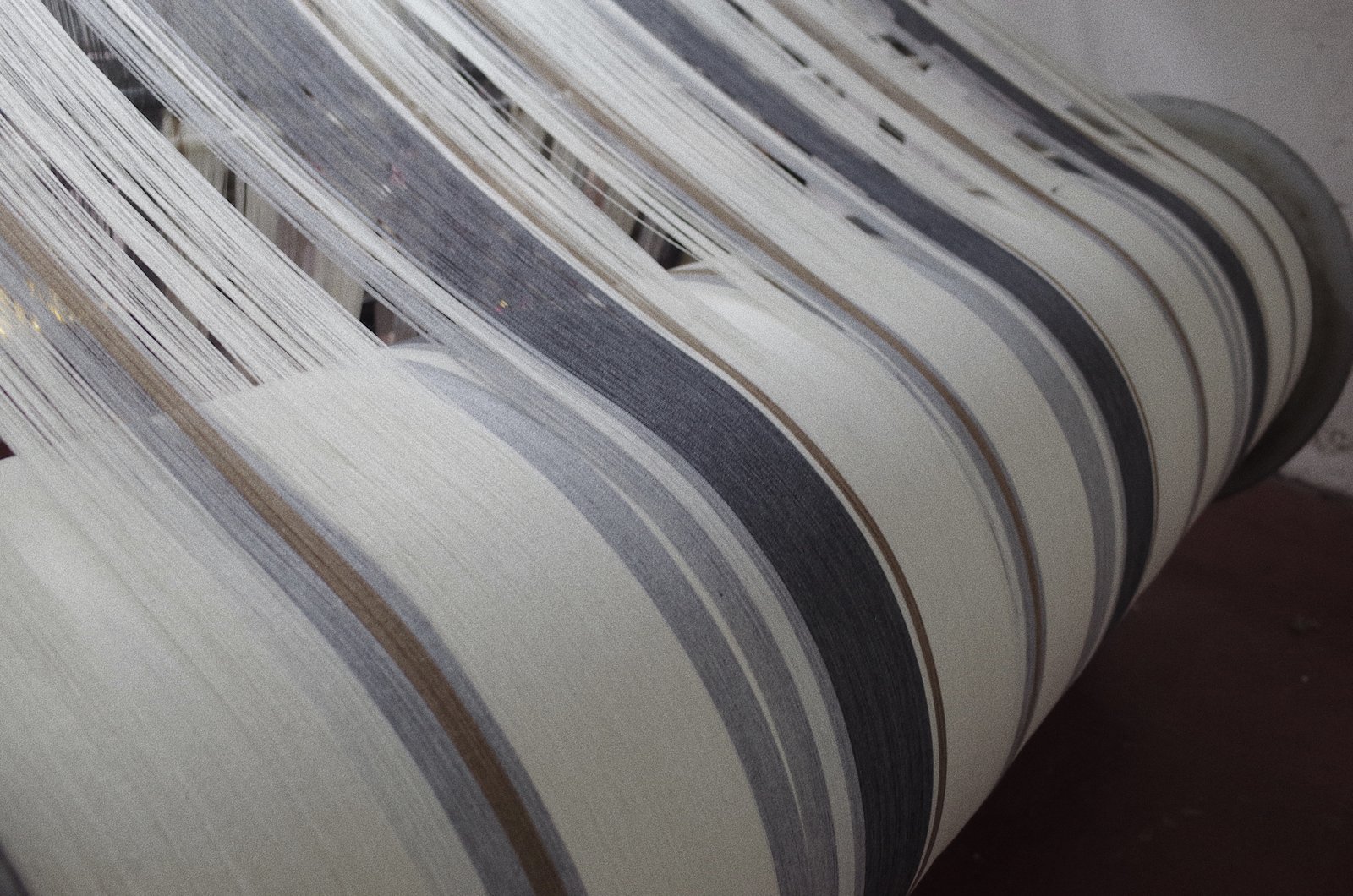
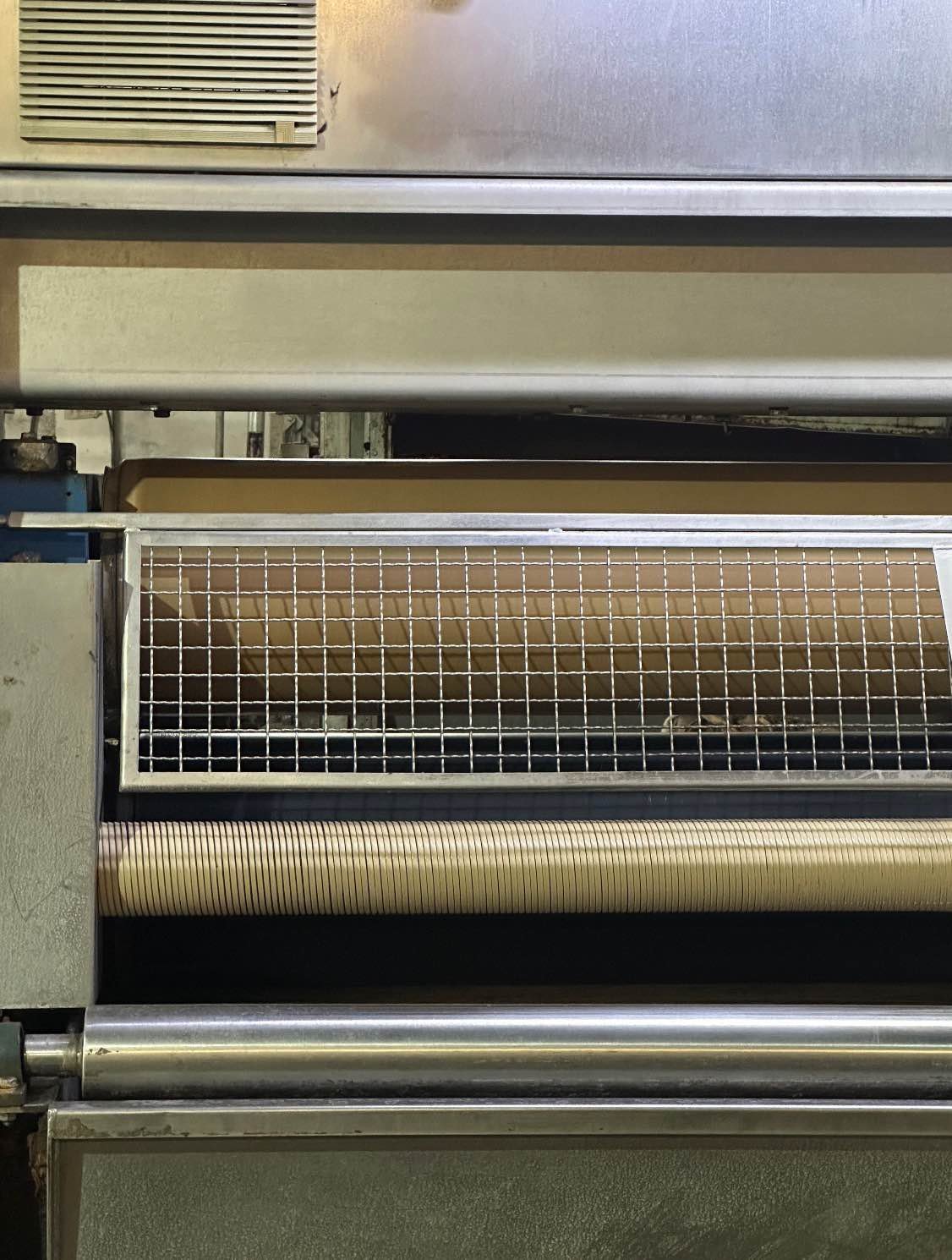
Connect fabric development with weaving and finishing.
These production images are from Fred Textile, the connected specialist textile resource represented across the Allot Tech textile program.
Buyer questions
Frequently asked questions
What does TR fabric mean?
In textile trade, TR commonly describes a polyester-rayon blend. The actual percentages, yarn, construction, stretch and finish must be stated for the specific fabric.
Is TR fabric the same as wool fabric?
No. TR is generally polyester-rayon. A wool-like TR fabric may imitate some visual or tactile qualities associated with woolen outerwear, but its composition and performance are different and must be described accurately.
What should a coat-fabric inquiry include?
Send garment use, composition direction, weight, usable width, color, pattern, surface, handfeel reference, sample quantity, bulk plan, destination and required tests.
Where do the textile images come from?
The textile production and fabric images used in this program are from Fred Textile, the connected specialist textile resource.
Project discussion
Discuss a TR Coat-Fabric Program
Send the garment use, reference swatch or images, finished specification, color plan, quantity, destination and required date.