
Operating-readiness planning
Bottling Line Spare Parts & Changeover Planning
Prepare launch formats, change parts, tools, recipes and a risk-based spare-parts list before the line enters routine production.
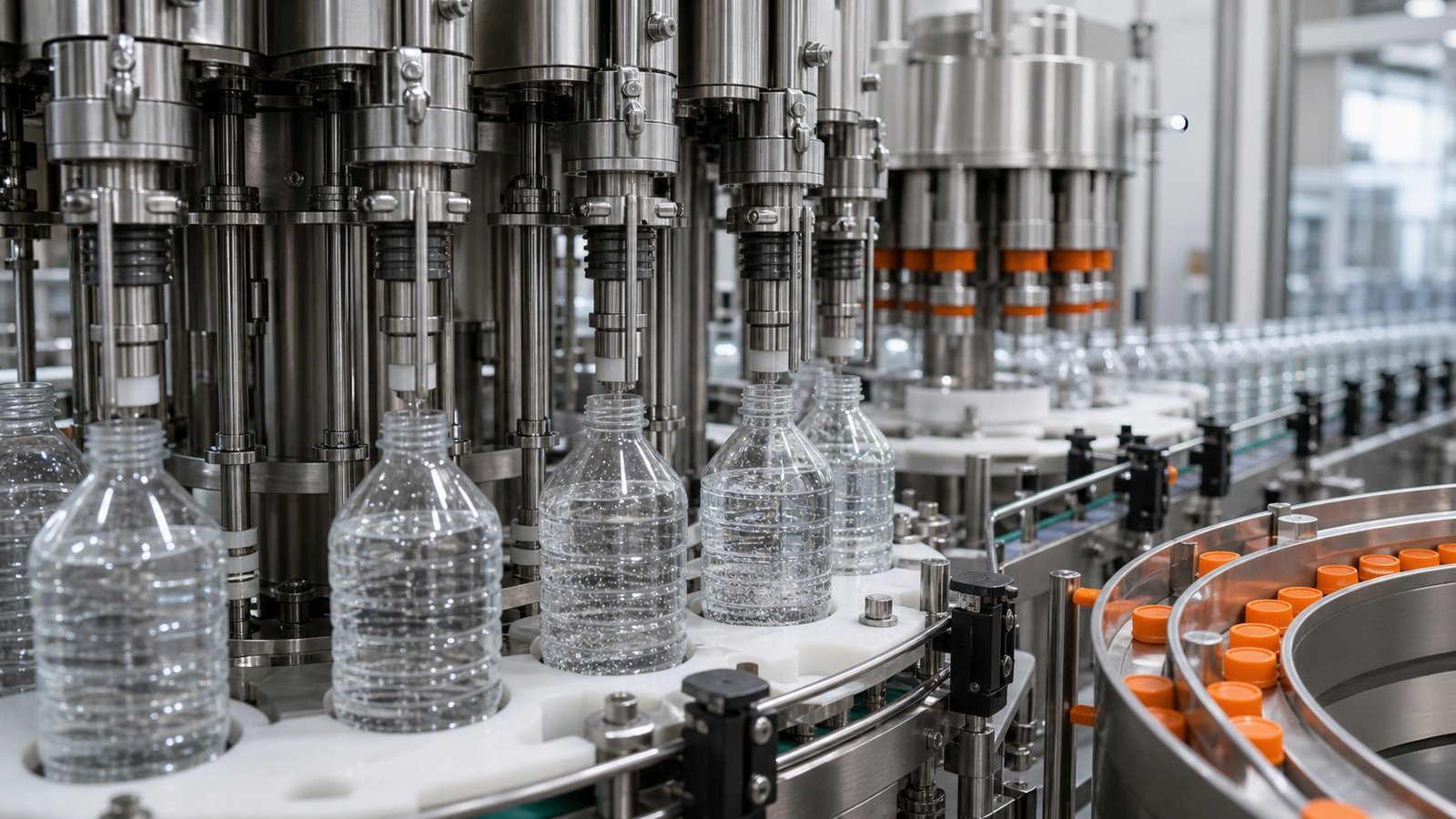
Published by Allot Tech. Project contact: founder Mr Kcal. Final engineering, performance, materials, compliance, manufacturing responsibility and commercial terms must be confirmed for the selected resource and signed project scope.
Updated September 3, 2026Direct answer
Production continuity depends on information as much as inventory.
A useful spare-parts package is based on equipment identity, operating hours, local supply risk and failure consequence, not only a percentage of machine price. A useful changeover package starts with approved bottle, closure, label and pack revisions, then lists every mechanical part, setting, recipe, tool and inspection needed for each format. Buyers should receive part numbers, quantities, drawings where contractually available, recommended stock levels, changeover records and a replenishment path linked to the actual machine serial numbers.
Project definition
Start with the complete decision basis.
A low-cost sensor can stop a line if its exact specification is unknown, while an expensive component may not belong in local stock if it is reliable and quickly available. Changeover performance also varies with operator practice, package tolerances and line condition. The responsible manufacturer and operating team should confirm final maintenance intervals, safety procedures, spare quantities and technical substitutions for the delivered equipment.
Equipment identity
Machine model, serial number, component schedule, software version, drawings and supplier contact path.
Operating profile
Formats, hours, shifts, environment, cleaning routine, maintenance skill and expected annual production.
Supply risk
Local brands, import lead time, customs, shelf life, storage conditions and acceptable downtime.
Package revisions
Approved bottles, caps, labels, cartons, films, change parts, recipes and launch sequence.
System or development path
Build the operating package from format approval to replenishment control.
Create the asset register
Record model, serial, component, drawing, software, installed location and responsible support contact.
Classify spare risk
Separate consumables, routine wear, critical failure, insurance spares and locally obtainable commercial parts.
Map each format
Link bottle, cap, label and pack revisions to required parts, settings, recipes, tools and quality checks.
Trial the changeover
Observe sequence, time, adjustments, safety, first-good-product checks and recurring sources of error.
Store and control
Label parts, protect materials, manage shelf life, record issues and keep current drawings or photos with the stock.
Review and replenish
Update min-max levels from actual consumption, lead time, failure history and upcoming production campaigns.
Quotation comparison
Compare spare-parts and changeover scope as an operating system.
| Decision area | Buyer should provide | Proposal should clarify |
|---|---|---|
| Part identification | Delivered equipment and component records. | Part number, description, machine location, drawing reference, quantity and interchangeability. |
| Stock basis | Operating hours, downtime tolerance and lead time. | Consumable, wear, critical and insurance classifications with recommended quantities. |
| Format package | Approved launch and future containers. | Change parts, settings, recipes, tools, storage, labels and compatibility limitations. |
| Training | Operator and maintenance roles. | Safe sequence, adjustment, inspection, troubleshooting, practice formats and records. |
| Replenishment | Local purchasing and import constraints. | Quotation path, revision control, lead time, substitution approval and support escalation. |
Solve the next project problem
Close these proposal gaps before price becomes the decision.
Use the brief below to turn a vague supplier conversation into questions that can be answered and documented.
Make this decision comparable.
Send: Delivered equipment and component records.
Require: Part number, description, machine location, drawing reference, quantity and interchangeability.
Make this decision comparable.
Send: Operating hours, downtime tolerance and lead time.
Require: Consumable, wear, critical and insurance classifications with recommended quantities.
Make this decision comparable.
Send: Approved launch and future containers.
Require: Change parts, settings, recipes, tools, storage, labels and compatibility limitations.
Send the beverage, package files, required output, factory conditions, destination and current project stage. The Allot Tech Project Desk can help organize the first comparison.
Decision evidence
Operating documents that prevent parts and formats from becoming guesswork.
Evidence should be identified before the order or approval stage so both sides know what will support the next decision.
Illustrated spare-parts register
Part number, photo or drawing, quantity, storage position, supplier, lead time and related machine serial number.
Format matrix
Each approved package revision linked to change parts, recipes, settings, label or pack data and quality checks.
Changeover standard
Safe sequence, tools, target condition, adjustment limits, first-good-product approval and sign-off.
Consumption and incident history
Issues, replaced parts, cause, downtime, corrective action and resulting stock-level updates.
Prioritize by consequence and lead time
Stock decisions should consider whether a failure stops production, whether the part can be repaired or purchased locally, and how long replacement takes. This prevents both understocking small critical items and tying up cash in poorly justified inventory.
- Identify single-point production failures
- Verify local equivalents before relying on them
- Protect shelf-life and storage-sensitive items
Treat every format as a controlled configuration
A bottle family may require more than guide and star-wheel changes. Recipes, sensors, inspection windows, label settings, pack patterns and conveyor adjustments should be linked to the approved package revision.
- Use a format-by-format parts matrix
- Store parts as complete labeled sets
- Back up recipes after approved trials
Measure the first good product
Changeover time should end when the line produces an approved pack consistently, not when the last mechanical part is installed. The standard should include checks for fill, closure, label, code, pack and any product-specific condition.
- Define the first-good-product checklist
- Record adjustment and startup scrap
- Use observations to improve training and tools
Decision gates
Move forward when the next commitment has enough written evidence.
Project stages overlap, but each commercial commitment should have a visible basis, named approvers and a list of unresolved items.
Engineering basis approved
The product, package, output, equipment boundary, layout, utilities, responsibilities and open assumptions are controlled.
Manufacturing and test basis approved
Drawings, component schedule, test materials, acceptance conditions, documents and planned evidence are agreed.
Delivery and handover released
Punch-list closure, packing, shipment files, site readiness, installation scope, training and support ownership are visible.
Before requesting a proposal
Build one brief that every resource can answer on the same basis.
This page is designed to help an international buyer prepare a clearer discussion, not to replace the responsible resource’s engineering or the buyer’s professional review.
Product
Beverage, process, hygiene, shelf-life and operating conditions.
Package
Container, closure, label, code, finished pack and approved files.
Output
Required rate for a named format, shifts, annual plan and changeovers.
Factory
Measured space, utilities, access, drainage and local site constraints.
Project scope
Equipment boundary, documents, FAT, delivery, startup and destination.
Allot Tech organized recurring buyer questions, project-scoping patterns, available catalog inputs and specialist-resource context into a decision sequence. No customer case, certification, output guarantee or factory ownership is implied unless separately verified for the named project.
Manufacturing context
Use equipment views to ask more specific project questions.
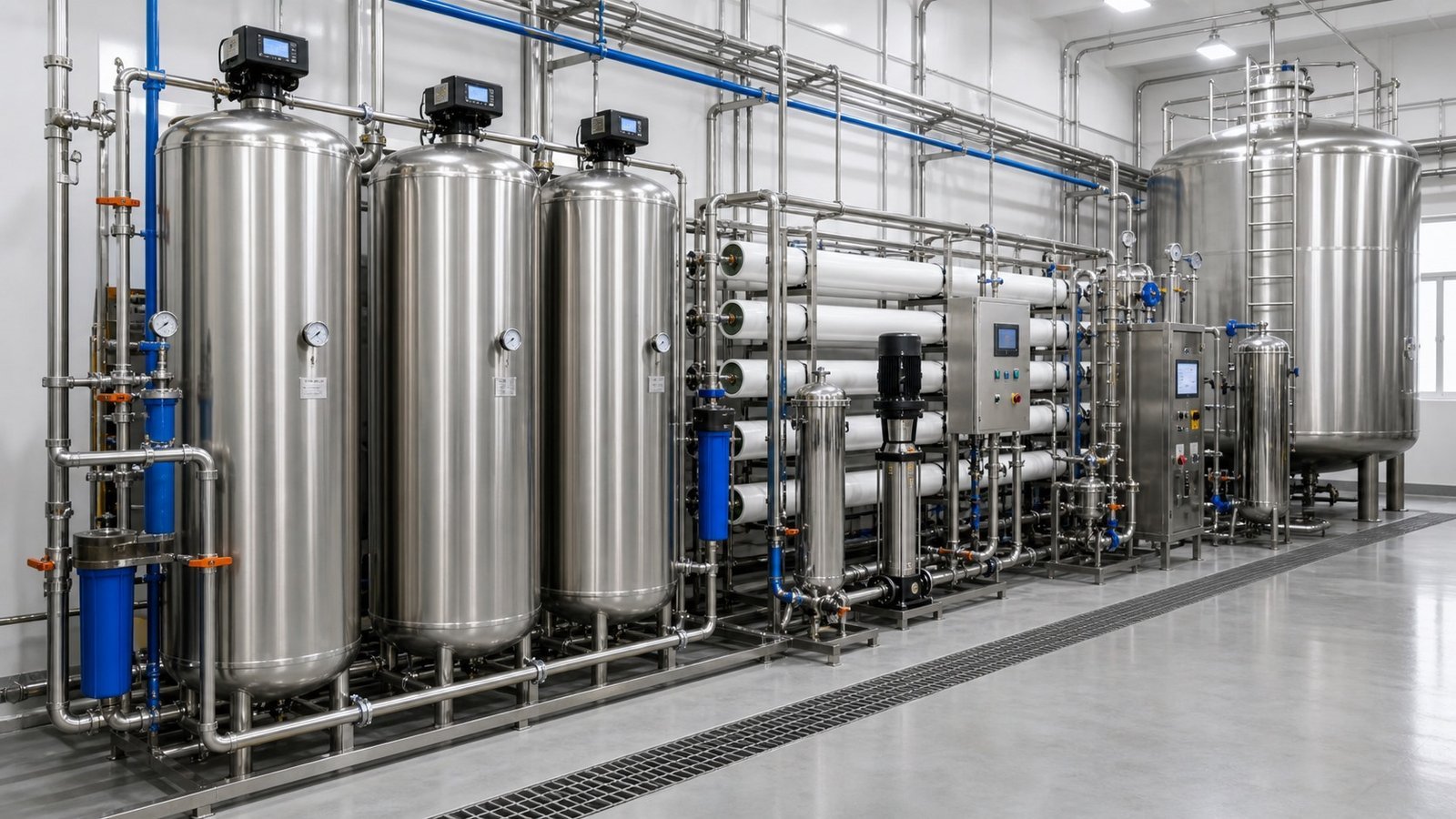
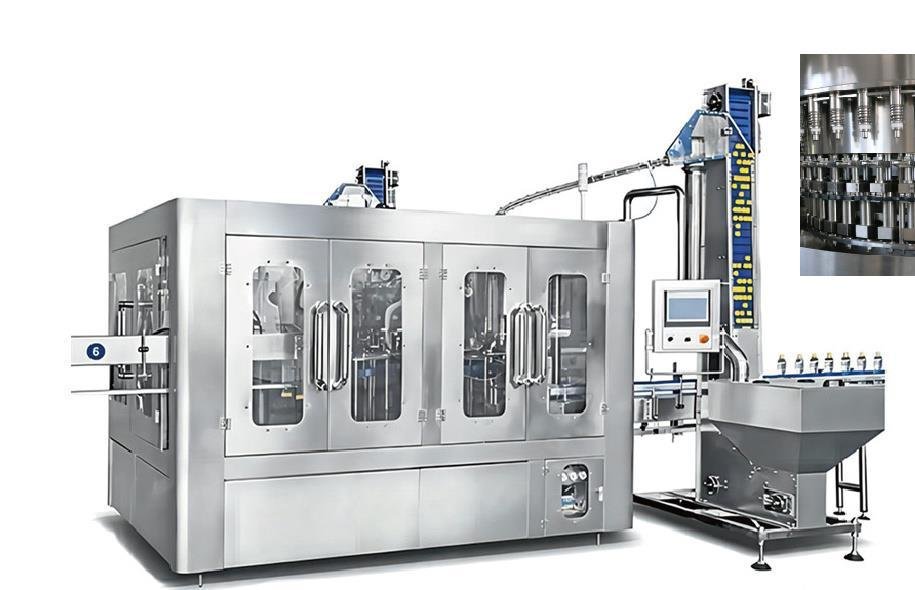
The process illustration supports scope discussion. The XGF equipment image is reproduced from page 9 of the Allot Tech 2026 catalog; use the catalog and project documents to review the applicable configuration.
Buyer questions
Frequently asked questions
How much spare-parts stock should a bottling line keep?
There is no universal percentage. Base stock on equipment, operating hours, failure consequence, part lead time, local availability, shelf life and the buyer acceptable downtime.
What is included in a bottle format changeover?
It may include mechanical change parts, guides, settings, recipes, sensors, inspection windows, labels, packer tooling and quality checks. The exact scope depends on the delivered line.
Should commercial electrical parts be bought locally?
Local sourcing can reduce lead time when the exact model, rating and approved substitution are confirmed. Safety, software compatibility and manufacturer requirements should be checked before replacement.
When should spare parts be ordered?
Launch spares should be agreed with the equipment order and verified before shipment. Stock levels should then be reviewed after commissioning and early operating experience.
Project discussion
Prepare Spares and Changeovers
Send the beverage, package files, required output, factory conditions, destination and current project stage.