
Pre-shipment acceptance planning
Factory Acceptance Testing for Bottling Lines
Turn the pre-shipment test into a controlled acceptance event with a defined configuration, supplied materials, measurable checks and documented decisions.
Published by Allot Tech. Project contact: founder Mr Kcal. Final engineering, performance, materials, compliance, manufacturing responsibility and commercial terms must be confirmed for the selected resource and signed project scope.
Updated September 14, 2026Direct answer
A factory demonstration becomes an acceptance test only when the basis is written.
A bottling-line FAT should identify the exact equipment configuration, product or agreed test medium, bottle, closure, label, pack, test duration, measurement method and acceptance criteria before anyone travels or materials are shipped. During the test, record operating conditions, stops, rejects, output and open issues. Afterward, separate passed items, retest items and site-only checks, assign owners and dates, and make the shipment-release decision against the signed contract and FAT protocol.
Project definition
Start with the complete decision basis.
Video of a machine running can be useful evidence, but it does not replace a controlled protocol. Some complete-line conditions cannot be reproduced at the manufacturing site because final utilities, product or site systems are unavailable; those limitations should be disclosed and transferred into the site acceptance plan. The applicable contract, responsible engineers and buyer representatives determine final acceptance, safety and compliance obligations.
Approved scope
Final equipment list, model and component schedule, layout, interfaces, options, exclusions and revisions.
Test materials
Product or medium, containers, closures, labels, film, cartons, consumables, quantities and delivery timing.
Acceptance criteria
Output, run duration, quality checks, reject handling, changeovers, utilities, documents and permitted exceptions.
Attendance plan
Buyer, supplier, third party, remote video, agenda, language, instruments, signatures and decision authority.
System or development path
Manage FAT from document review through evidence-backed shipment release.
Review the document pack
Confirm approved specification, drawings, component list, manuals, FAT protocol and unresolved engineering issues.
Verify configuration
Match machine plates, principal components, guards, utilities, interfaces and change parts to the approved scope.
Run functional checks
Test safety circuits, controls, alarms, manual functions, recipes, adjustments and planned changeovers.
Run the agreed format
Use approved materials and record start time, stops, speed, output, quality observations, rejects and utility conditions.
Build the punch list
Classify each issue, evidence, required action, responsible party, retest method, due date and release effect.
Close and release
Attach signed results, retest evidence, site-only items, packing checks and the authorized shipment decision.
Quotation comparison
Compare FAT proposals by evidence, not by the promise that testing is included.
| Decision area | Buyer should provide | Proposal should clarify |
|---|---|---|
| Test boundary | Required machines and interfaces for the witnessed run. | Assembled configuration, temporary substitutions, unavailable systems and site-only checks. |
| Materials | Approved production-like inputs and quantities. | Supplier or buyer supply, consumption estimate, storage, preparation and disposal. |
| Performance | Numeric output and quality expectations. | Reference format, run duration, exclusions, measurement method and stop classification. |
| Records | Required photo, video, data and signatures. | Forms, instrument identification, sample logs, alarm history and final report timing. |
| Release rules | Decision authority and contractual milestones. | Critical defects, retest requirements, conditional release and punch-list closure evidence. |
Solve the next project problem
Close these proposal gaps before price becomes the decision.
Use the brief below to turn a vague supplier conversation into questions that can be answered and documented.
Make this decision comparable.
Send: Required machines and interfaces for the witnessed run.
Require: Assembled configuration, temporary substitutions, unavailable systems and site-only checks.
Make this decision comparable.
Send: Approved production-like inputs and quantities.
Require: Supplier or buyer supply, consumption estimate, storage, preparation and disposal.
Make this decision comparable.
Send: Numeric output and quality expectations.
Require: Reference format, run duration, exclusions, measurement method and stop classification.
Send the beverage, package files, required output, factory conditions, destination and current project stage. The Allot Tech Project Desk can help organize the first comparison.
Decision evidence
The minimum FAT record should allow a later reviewer to reconstruct the test.
Evidence should be identified before the order or approval stage so both sides know what will support the next decision.
Configuration record
Equipment, software, formats, temporary items, components and drawing revisions present during the test.
Run log
Start and finish, planned and unplanned stops, speed changes, output counts, rejects and operator observations.
Measurement and sample record
Method, instrument, sampling point, frequency, results, limits and treatment of out-of-limit findings.
Signed punch list and release
Issue classification, owners, dates, retest evidence, site-only checks and authorized shipment status.
Write criteria that can be observed
Terms such as good performance or satisfactory operation leave too much room for disagreement. State the format, output point, duration, material, measurement and acceptance limit where a contractual guarantee applies. For checks that are qualitative, define the sample, approved reference and decision authority.
- Tie every criterion to a test method
- Identify instruments and sampling frequency
- Separate contractual limits from observations
Plan realistic material and utility conditions
A supplier may not be able to reproduce the final product, water, air, steam or packaging environment. The FAT plan should state substitutions and limitations rather than presenting a partial demonstration as a full site test.
- Approve substitute test media in writing
- Record actual utility conditions
- Transfer unavailable checks to SAT or commissioning
Keep the punch list actionable
Every open item should identify evidence, owner, due date and closure method. Critical issues may block release, while cosmetic or site-dependent items may be closed later if the contract and authorized parties allow it. The signed record should preserve that distinction.
- Classify release-critical issues
- Require photo, video or retest evidence
- Link closure to shipment or payment milestones
Decision gates
Move forward when the next commitment has enough written evidence.
Project stages overlap, but each commercial commitment should have a visible basis, named approvers and a list of unresolved items.
Engineering basis approved
The product, package, output, equipment boundary, layout, utilities, responsibilities and open assumptions are controlled.
Manufacturing and test basis approved
Drawings, component schedule, test materials, acceptance conditions, documents and planned evidence are agreed.
Delivery and handover released
Punch-list closure, packing, shipment files, site readiness, installation scope, training and support ownership are visible.
Before requesting a proposal
Build one brief that every resource can answer on the same basis.
This page is designed to help an international buyer prepare a clearer discussion, not to replace the responsible resource’s engineering or the buyer’s professional review.
Product
Beverage, process, hygiene, shelf-life and operating conditions.
Package
Container, closure, label, code, finished pack and approved files.
Output
Required rate for a named format, shifts, annual plan and changeovers.
Factory
Measured space, utilities, access, drainage and local site constraints.
Project scope
Equipment boundary, documents, FAT, delivery, startup and destination.
Allot Tech organized recurring buyer questions, project-scoping patterns, available catalog inputs and specialist-resource context into a decision sequence. No customer case, certification, output guarantee or factory ownership is implied unless separately verified for the named project.
Manufacturing context
Use equipment views to ask more specific project questions.
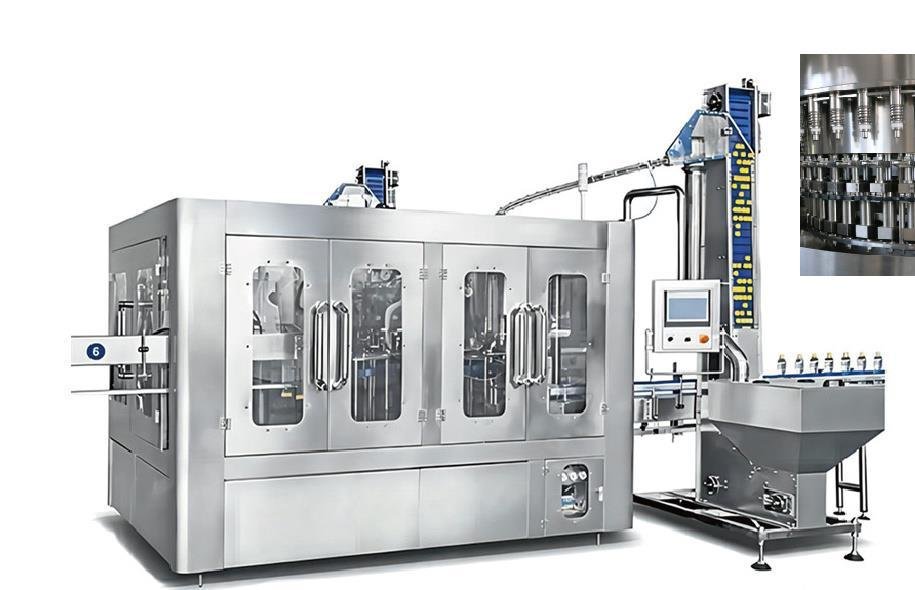
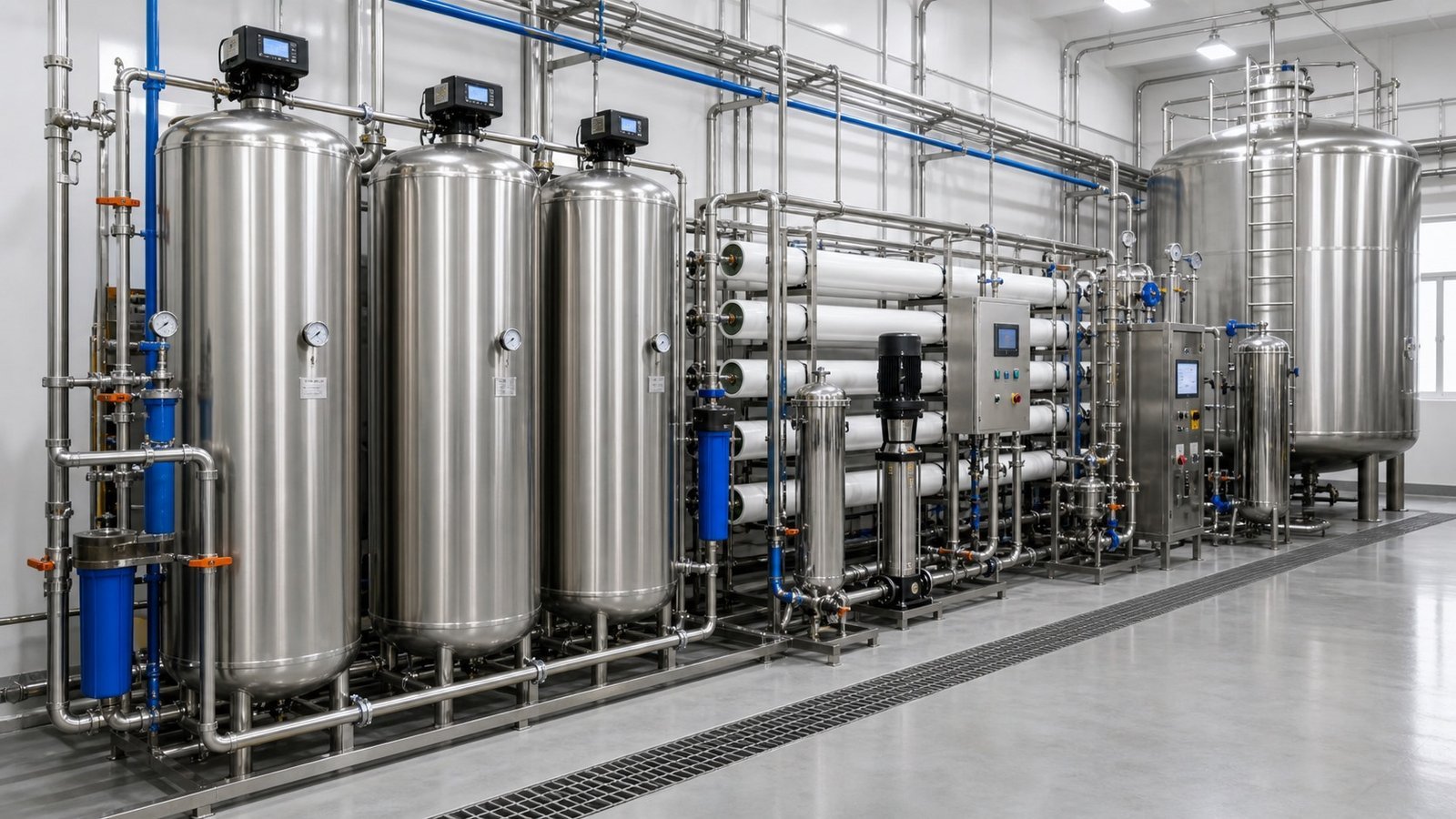
The process illustration supports scope discussion. The XGF equipment image is reproduced from page 9 of the Allot Tech 2026 catalog; use the catalog and project documents to review the applicable configuration.
Buyer questions
Frequently asked questions
What should be included in a bottling line FAT?
Include document and configuration review, safety and control checks, an agreed production run, quality and reject checks, changeovers where required, document review, punch-list closure and shipment-release decisions.
How long should a FAT production run last?
There is no universal duration. The contract should state a period long enough to observe stable operation for the agreed format and scope, including how stops and restarts are counted.
Can FAT be completed by video?
Remote evidence can support review when travel is not possible, but camera coverage, live interaction, data access, identity of the equipment and decision limitations should be agreed in advance.
Is FAT the same as site acceptance testing?
No. FAT occurs before shipment under factory conditions. SAT or commissioning checks the installed equipment with site utilities, final interfaces and operating conditions.
Project discussion
Prepare a Bottling Line FAT
Send the beverage, package files, required output, factory conditions, destination and current project stage.