
Bottled water line planning
Bottled Water Filling Lines from China
Define a complete PET bottled water line around the water source, bottle, target output, factory conditions and finished-pack format before comparing equipment proposals.
Published by Allot Tech. Project contact: founder Mr Kcal. Final engineering, performance, materials, compliance, manufacturing responsibility and commercial terms must be confirmed for the selected resource and signed project scope.
Updated October 7, 2026Direct answer
A filling machine quotation is only useful when the complete line boundary is visible.
A bottled water project may include raw-water treatment, treated-water storage, PET bottle blowing, air conveying, rinsing, filling, capping, labeling, coding, packing and finished-product handling. The correct combination depends on the approved bottle and cap, the water specification, the rated-output basis and the interfaces the buyer expects one supplier to cover.
Catalog model reference
XGF water-filling models: compare the same 500 ml rating basis.
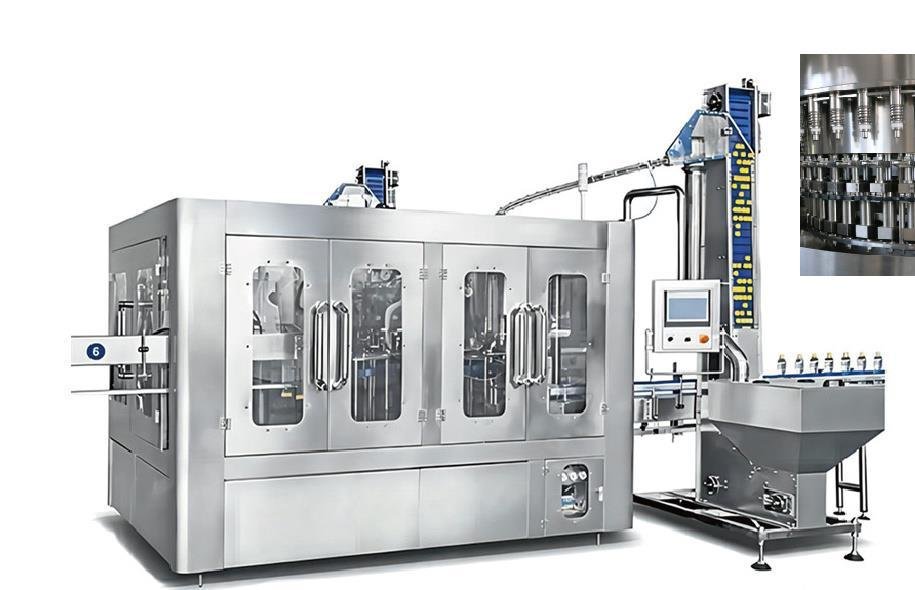
The XGF platform combines bottle washing, filling and capping. These four examples are transcribed from the nine-model table on page 10 of the Allot Tech 2026 catalog. The listed container range is 500–2,000 ml; rated output is stated on a 500 ml basis.
| Reference model | Catalog BPH at 500 ml | Machine L × W × H (mm) | Weight (kg) | Listed power (kW) |
|---|---|---|---|---|
| XGF14-12-5 | 6,000 | 2,360 × 1,770 × 2,700 | 2,800 | 2.42 |
| XGF24-24-8 | 13,000 | 2,800 × 2,230 × 2,700 | 4,800 | 3.92 |
| XGF50-50-15 | 24,000 | 5,900 × 4,123 × 2,700 | 8,600 | 7.87 |
| XGF80-80-18 | 42,000 | 7,800 × 6,380 × 2,700 | 15,000 | 15.37 |
Use the figures for an initial comparison. Confirm the current model, bottle and cap compatibility, actual product, guaranteed operating conditions and utility schedule in the quotation. Listed machine dimensions exclude the full line layout and service clearances. Listed power is not the total plant electrical demand.
Editable buyer checklist
Send the same equipment brief to every proposed resource.
Download an editable RFQ checklist for beverage, bottle and cap, output, process scope, site utilities, acceptance and commercial boundaries. The plain-text file opens in a text editor and can be copied into your own project documents.
Buyer planning tool
Daily bottle target to required BPH calculator
Required rated BPH = good bottles per day ÷ (scheduled hours per day × combined effective factor). The factor covers the time, speed and quality losses included in your scenario. Use hours before those losses and do not subtract the same loss twice.
Example inputs are illustrative. Compare the result with the bottleneck of the complete line on the same bottle and product basis. A catalog model above the calculated rate is not automatically suitable. Agree performance conditions and acceptance testing before selection.
Project definition
Start with the complete decision basis.
A bottled water project may include raw-water treatment, treated-water storage, PET bottle blowing, air conveying, rinsing, filling, capping, labeling, coding, packing and finished-product handling. The correct combination depends on the approved bottle and cap, the water specification, the rated-output basis and the interfaces the buyer expects one supplier to cover.
Product
Purified, mineral or spring water; still or carbonated; treatment target and hygiene requirement.
Container
PET bottle sizes, neck finish, cap, label, pack pattern and approved drawings or samples.
Output
Target BPH for a named bottle size, operating hours, changeovers and expected line efficiency basis.
Site
Workshop dimensions, voltage, compressed air, water, drainage, cooling and local installation conditions.
System or development path
Connect treatment, bottle making, filling and packing as one production flow.
Water treatment
Use raw-water analysis to define pretreatment, filtration, RO where required, disinfection, storage and hygienic transfer.
PET bottle blowing
Match preform, bottle design, mold, compressor and blow-molder output with the balanced line requirement.
Air conveying
Protect empty-bottle stability and provide enough transfer length without creating avoidable contamination or jams.
Rinsing, filling, capping
Confirm bottle handling, water-contact materials, filling principle, cap feed, change parts and actual test basis.
Labeling and coding
Choose sleeve, OPP or self-adhesive labeling and define code content, inspection and speed interfaces.
Packing and handling
Define shrink film, tray, carton, handle application, conveyors and palletizing according to the sales channel.
Quotation comparison
Compare suppliers on the same bottled water line basis.
| Decision area | Buyer should provide | Proposal should clarify |
|---|---|---|
| Capacity | Bottle size and BPH at stated operating conditions. | Filler rating, balanced-line output, test duration and efficiency assumptions. |
| Water process | Raw-water report and treated-water requirement. | Treatment flow, recovery assumptions, tanks, piping, instruments and sanitation. |
| Bottle package | Drawings or samples for bottle, neck, cap, label and pack. | Change parts, compatibility, mold scope, consumables and approval responsibility. |
| Factory fit | Dimensioned layout, access, utilities and drainage. | Machine footprints, conveyor direction, service space, loads and utility points. |
| Acceptance | Products, materials and performance conditions for testing. | FAT procedure, records, open issues, release criteria and site responsibilities. |
Buyer working matrix
Compare buying empty bottles with making bottles on site.
Both routes still need approved bottles and caps. The choice changes the equipment boundary, storage and utility responsibilities; it is not decided by BPH alone.
| Supply route | Equipment and site implications | Use in the buying decision |
|---|---|---|
| Purchased empty bottles | Bottle receiving, protected storage, feeding and transport to the filler; no in-house blowing equipment in this scope. | Evaluate local bottle supply, storage space, handling and delivery continuity. |
| In-house PET blowing | Preforms, molds, blow molder, air treatment and compression, cooling and transfer must be integrated. | Evaluate format control and local preform supply alongside the additional utility and maintenance scope. |
| Existing blow molder retained | Confirm actual output, neck handling, controls and transfer compatibility with the new filler. | Use measured running performance and interface drawings rather than the old nameplate alone. |
| Returnable water containers | Container inspection, washing and handling form a different scope from disposable PET bottles. | Use the dedicated 5-gallon route when this is the actual container program. |
Quotation scope
What changes a water filling line quotation?
Compare the same bottle format and finished-pack output before comparing prices. Ask for a priced equipment list with optional items and buyer-supplied work separated.
| Scope decision | Buyer input | Ask the quotation to state |
|---|---|---|
| Bottle supply | Purchased bottles or in-house PET blowing; identify bottle sizes, neck finish and cap. | Blower, molds, high-pressure air, cooling and transfer are separate scope decisions. |
| Water preparation | Provide the source-water report and required finished-water specification. | Identify treatment, storage, disinfection, transfer and cleaning equipment to be quoted. |
| Finished pack | Show the label, date code, multipack or carton, and planned formats. | List labeler, coder, packer, conveyors and format-change parts rather than assuming they come with the filler. |
| Site and acceptance | State installation country, electrical supply, layout and the target bottle rate. | Separate machine supply, site work, trial materials, installation support, training and the agreed output test. |
Decision evidence
Keep project evidence connected to each approval and release decision.
Evidence should be identified before the order or approval stage so both sides know what will support the next decision.
Approved engineering basis
Keep the signed specification, equipment list, package files, layout and interface responsibilities under revision control.
Manufacturing progress record
Identify agreed drawings, component confirmations, photographs, open questions and approval decisions by date.
Test and acceptance record
State configuration, materials, operating conditions, measurements, results, punch-list items and release status.
Delivery and handover package
Connect packing, serial numbers, manuals, backups, spare parts, training and support contacts to the delivered scope.
Capacity is a line-balance question
A headline BPH number should identify the reference bottle and whether it describes the filler alone or finished packs after labeling and packing. Bottle blowing, cap feeding, label application and shrink packing must support the same production basis.
- Ask for a line-balance table
- Record the reference bottle and pack format
- Separate rated speed from expected operating output
Machine only or complete line
A lower total can reflect a narrower boundary rather than a better proposal. List every included conveyor, tank, pump, coder, inspection device, change part, installation service and spare-parts package before comparing totals.
- Mark buyer-supplied equipment
- Identify process and electrical interfaces
- Track options and exclusions by revision
Plan evidence before the order
Agree which drawings, material records, production updates and FAT results will support approvals. Final model, materials, performance, warranty and service obligations belong in the signed technical and commercial agreement.
- Approve bottle and layout files
- Define FAT material and test conditions
- Close open issues before shipment release
Prepare your inquiry
Request a water-line quotation
Send the bottle and cap drawings, bottle volumes, good bottles required per day, source-water report, finished pack and installation country. Mark any unknowns; a catalog model can be a starting reference.
The form carries this product reference into an editable inquiry. Add your requirements and contact details before sending.
Buyer questions
Frequently asked questions
What is normally included in a bottled water filling line?
A project can include water treatment, PET bottle blowing, air conveyor, rinsing filling capping, labeling, coding, packing, conveyors and optional palletizing. The final boundary must be listed in the quotation.
How should bottled water line capacity be stated?
State bottles per hour for a named bottle size and operating condition, then confirm whether the figure refers to the filler or a balanced complete line.
What information is needed before requesting a quotation?
Send the water source, bottle sizes or drawings, cap, target BPH, label, pack format, workshop dimensions, utilities, destination and required project scope.
Does Allot Tech manufacture every machine shown?
No. Allot Tech coordinates commercial and project discussion with specialized manufacturing resources confirmed for the actual scope.
Project discussion
Discuss a Bottled Water Line
Send the beverage, package files, required output, factory conditions, destination and current project stage.